By Riaz Alvi
www.asiantribune.net
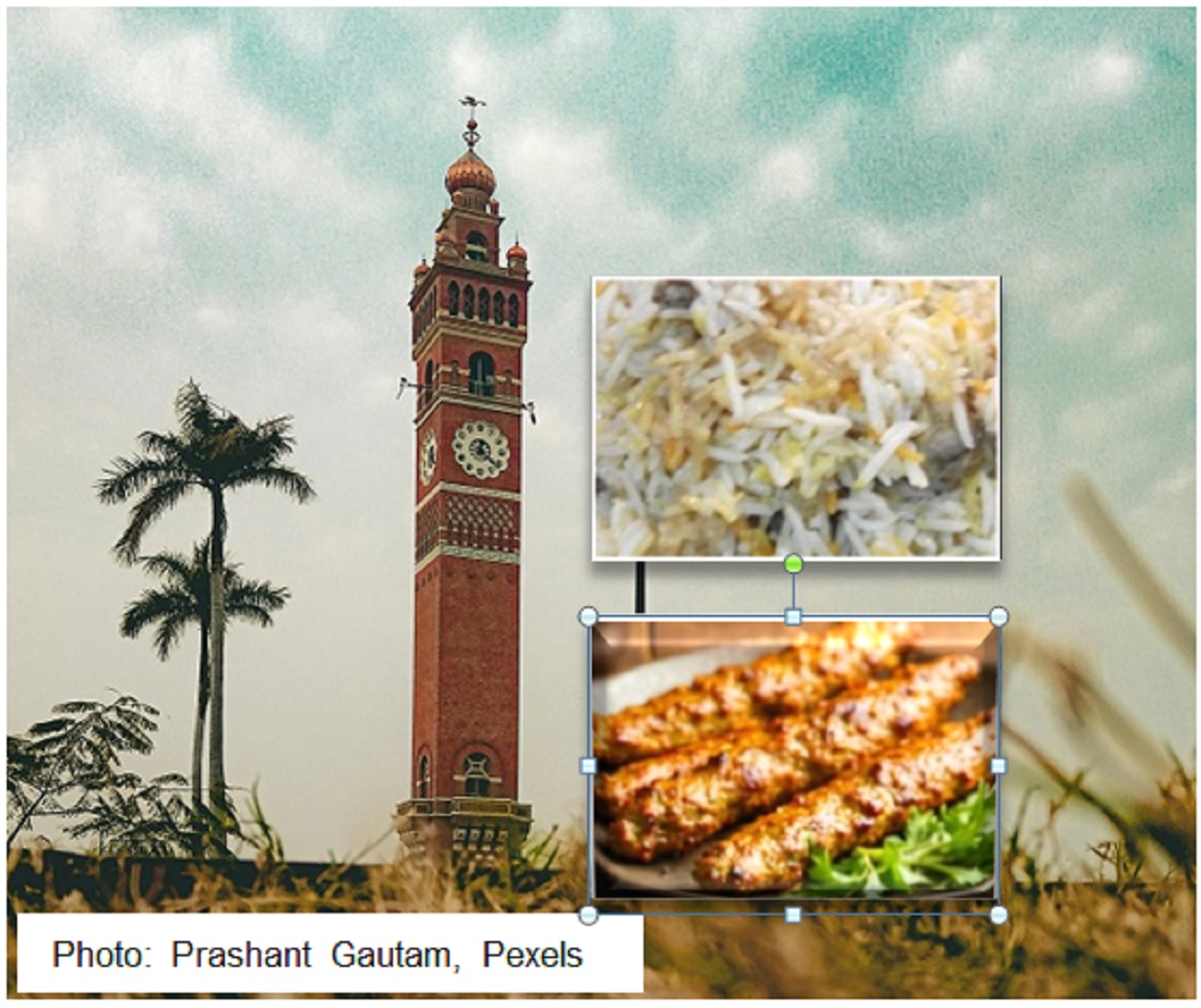
Awadh, the region that is part of central Uttar Pradesh, is known for its unique cuisine.
Traditionally, these delicacies were prepared & later served to guests on a dastar-khaan (cotton sheet) laid on the takht (four leg hard surface made of wood) with four bedposts at each corner so that the breeze, won’t affect the dastar-khaan and it was on this sheet of cloth, plates and bowls were laid for the food to be served in.
The plates had a significance and were peculiar in nature. They had multiple qualities–like the family members and guests ate in the plates and could detect the change if there was a harmful substance or poison in the food, thereby protect themselves from any conspiracy or an enemy’s evil plan.
Awadh has been known for preparation of rich food and the region stands out in the techniques used in cooking–exotic food with flavor and taste that is matchless. Apart from Awadh, Delhi and Hyderabad too had such traditions of food but the mughlai food of Awadh reigned supreme.
The reason is the effort in the method of cooking, preparation and the manner in which cooking was turned into an art. There were three classes of cooks who prepared the savory dishes. The first category of cooks belonged to the class that was responsible for washing the deg, mahi tawaz and kafgeer used in cooking.
This class was known as ‘deg shor’ and they were men who were responsible for the initial process and preparation of the food, before the chef’s arrival on the scene.
The next category was the bawarchi, who was mainly responsible for cooking large amount of food in the deg and maahi tawaz. Then, the third category was the rakaab daars who were mainly responsible for cooking small haandi.
Truly speaking, these were the ones who used to try new recipes of food to arouse the interest of the members of the household as well as that of the guests. They had the expertise in laying food in plates and bowls in style and they presented food in a way that it appeared appetizing and also drew attention of the guests.
The fourth was naan-baai who skillfully prepared the sheermaal, chapaati, kulchaa and other form of unique rotis. Pulao, biryani, qorma, kabab are among the few dishes that are widely known but each of these dishes also have varieties and versions that are different and draw instant attention due to their aroma as well as rich taste.
Transportation was tough in the past and people stayed at caravanserais. More affordable was food at bhatiyar-khanas. Pulao and biryani are different dishes. The rice in pulao is not colored with saffron.
The spices are put into a cloth bag. Later, the neck of the bag is tied with a string and it is left in the water to boil. As a result, these spices release the aroma of the contents of the bag.
In biryani, the meat is prepared with the spices and then separately, the rice is boiled. The hot water in which the rice is boiled in is drained out, then in a large ‘deg’, the boiled rice is spread out.
Later, the mutton that has been prepared with qorma spices is laid in layers. Once the layers are full, the lid of the deg is covered and sealed with aata. Other preparations of meat, include the finely minced that is mixed with aromatic spices and made into balls, known as kofta.
The shaami kabaab is another delicacy and though it is available in other regions too, Awadh chefs specialize in cooking the different varieties of kababs.
The rakaabdaar were mainly hired by nawabs, feudal and the rich class in the past. They were just answerable to their masters and came up with new dishes at the instance of their masters. The households often hired male and female chashak.
The chashak would taste the food before it was served, in order to ensure quality, taste, standard of cooking and also to ward off any conspiracy or plot to poison.
Besides, the chashak had pets like cats, dogs, parrots and pigeons. The pets too were served parts of the food in case of doubt and the affect of consumption of the particular food on them, was seen and examined.
There was a difference between the culinary culture in Awadh and the food tradition in Delhi, which was the seat of Empire. In Mughlai Awadhi dishes, the aroma of clove could be felt. These changes are known to gourmets, as one region may have use of kewda for fragrance or other region may have black pepper.
It is important to mention that in order to thicken the gravy of qorma, khashkhash was used here, whereas at other places, spices were grounded and paste was made before it was added to gravy in order to thicken it.
This is the first part of a series of articles under the Heritage Lane series. These articles would focus on heritage and history. The next part will appear soon.
Email: editor@asiantribune.net